How to Select a Turbo-Generator for an Enterprise’s Captive Power
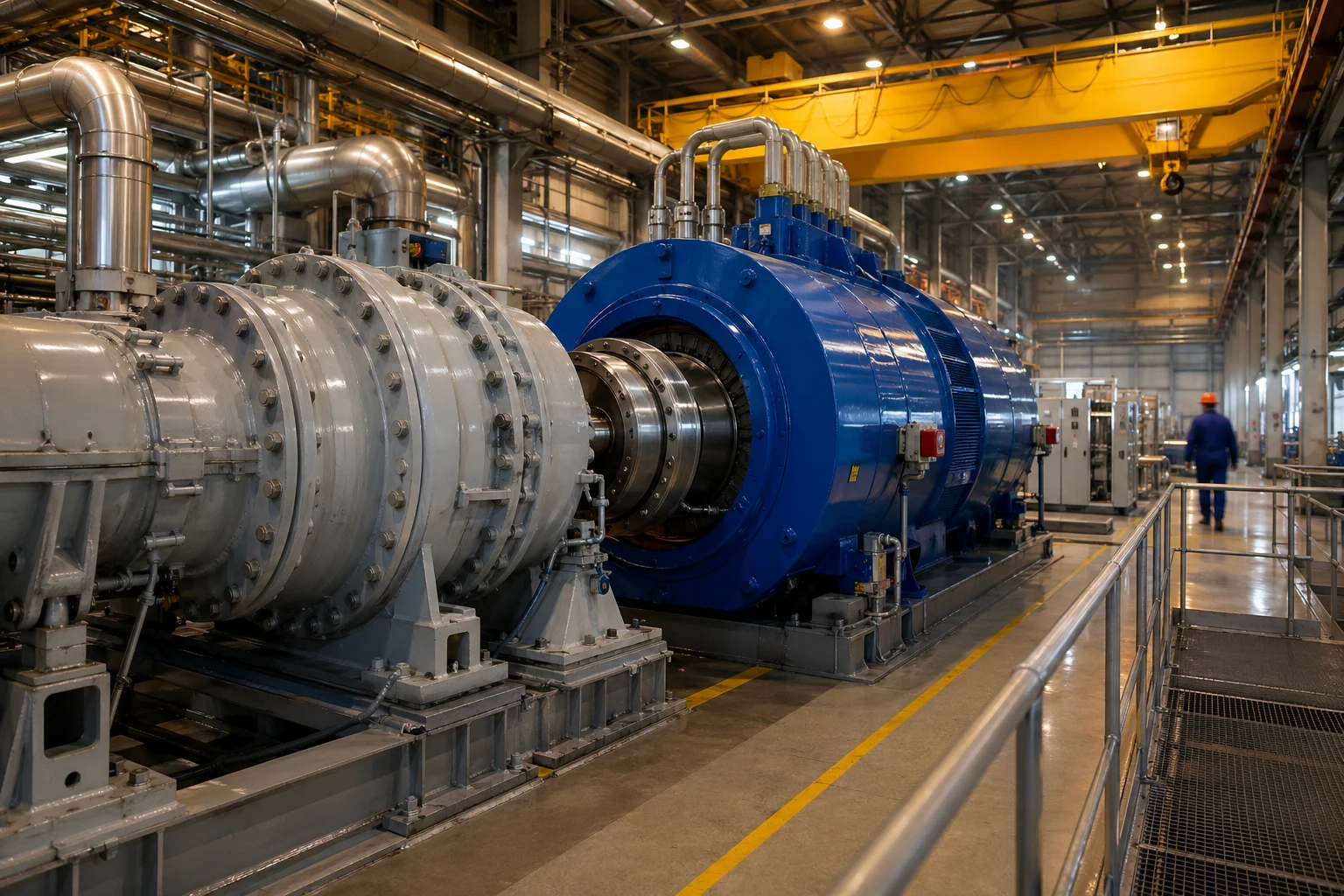
Captive power generation has stopped being an optional capital expense for Russian industrial sites. Wholesale electricity prices in the first price zone of the wholesale market (ОРЭМ) have moved above 7 RUB/kWh, grid connection costs and lead times keep rising under Government Decree №861, and many enterprises hold valuable but underused energy resources — associated petroleum gas, exhaust steam, low-grade waste heat. A correctly sized turbo-generator monetises these resources at an LCOE that is often 40–70% lower than the grid tariff.
The decision tree at a glance
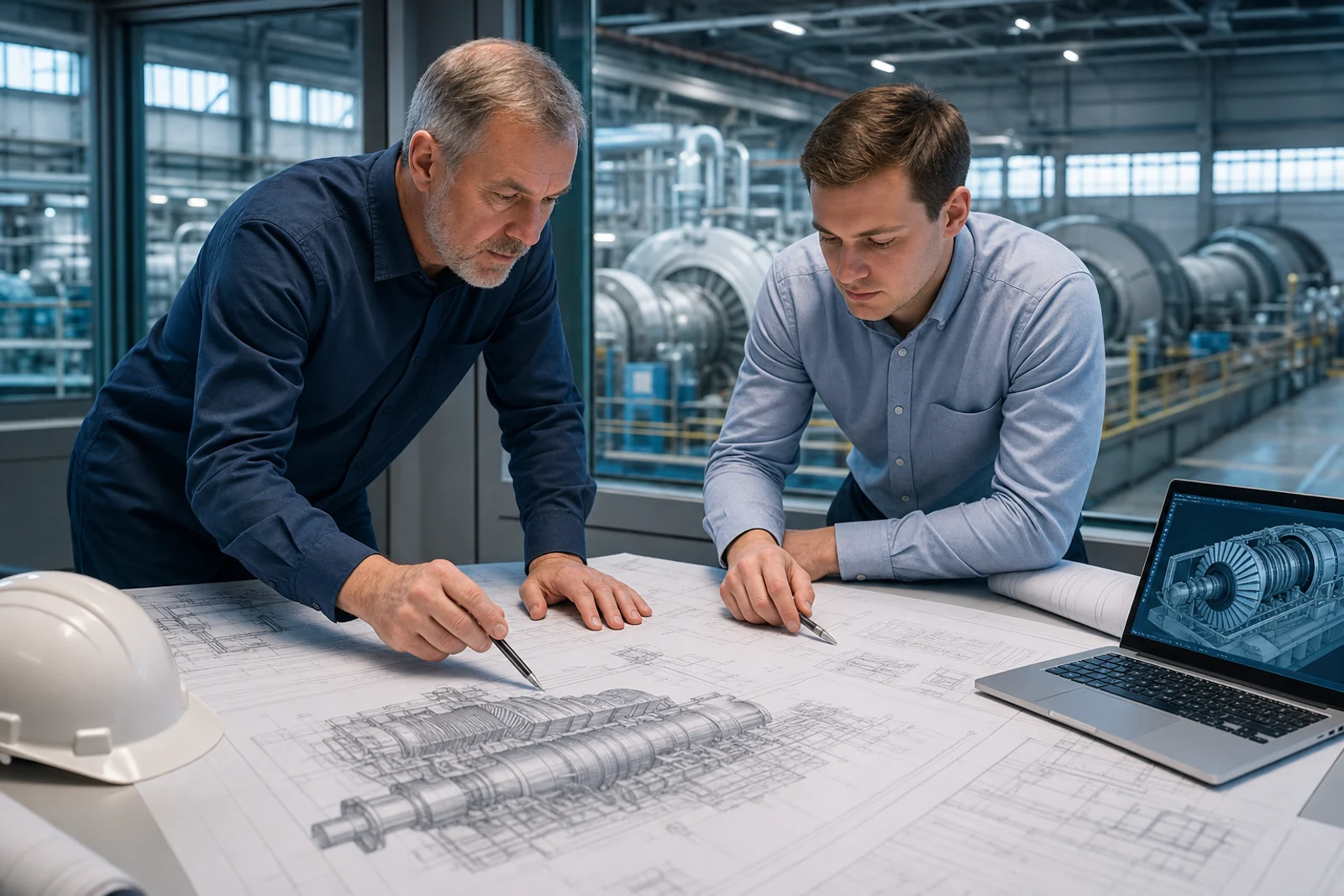
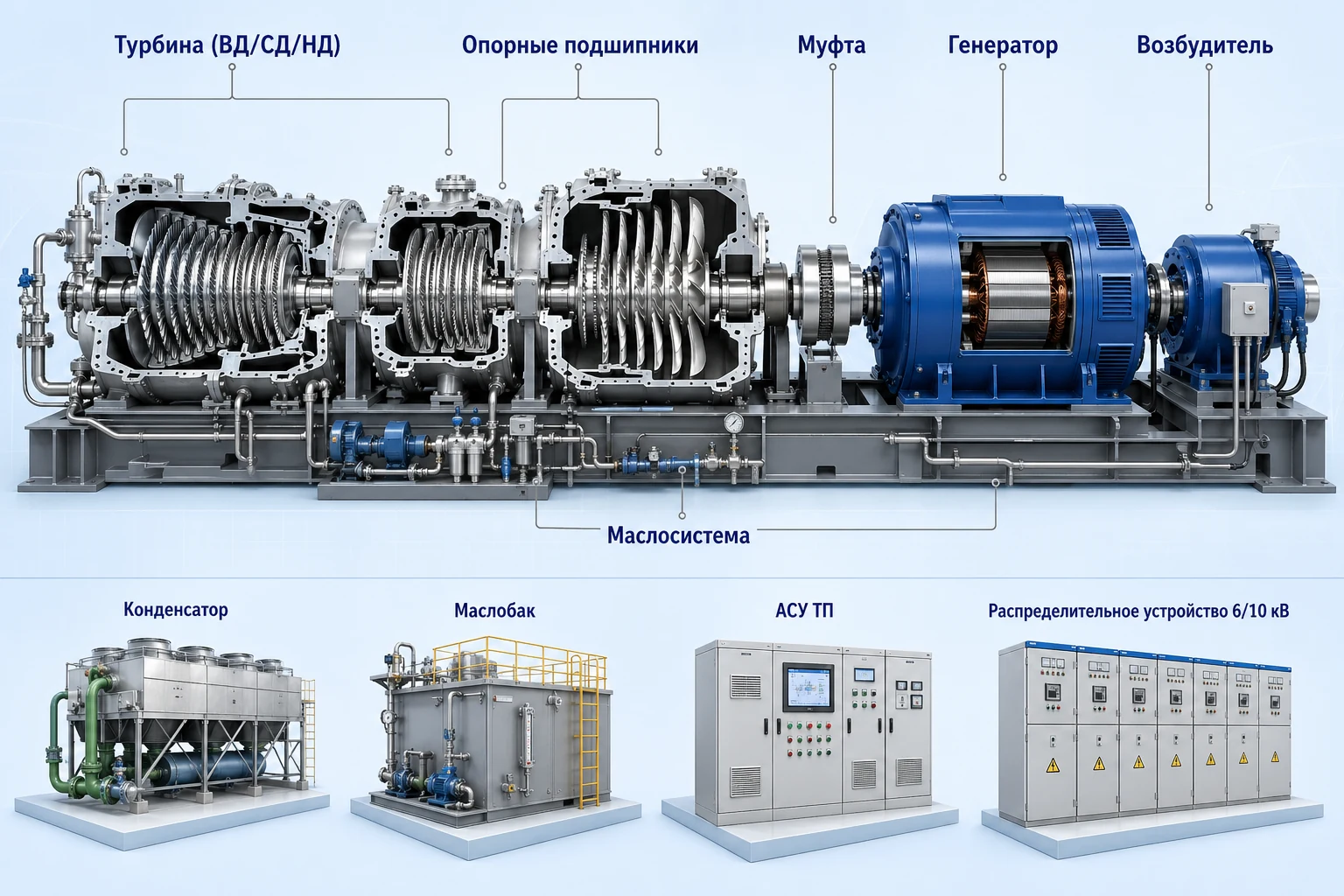
Selecting a turbo-generator is a sequence of dependent choices: technology of the prime mover (steam, gas, ORC, waste-heat), thermodynamic scheme (condensing, back-pressure, controlled-extraction), generator type and excitation, electrical voltage and integration with the plant grid. Each step narrows the equipment options dramatically. The economic case is then captured in four numbers — CAPEX, OPEX, TCO and LCOE — calculated for a realistic load duration curve, not the peak.
Sizing: the load duration curve, not the peak
The most expensive sizing mistake is choosing the rated power equal to the plant’s peak demand. With a typical industrial load profile, peak is 1.8–2.5× the average; sized for peak, the turbo-generator runs at a 30–40% capacity factor, raising the levelised cost by 12–18%. The right answer is to size the unit for the base part of the load duration curve (around 70–75% of average demand) and import peaks from the grid, where peaking capacity is paid for by the system operator, not by you.
Drive type by problem
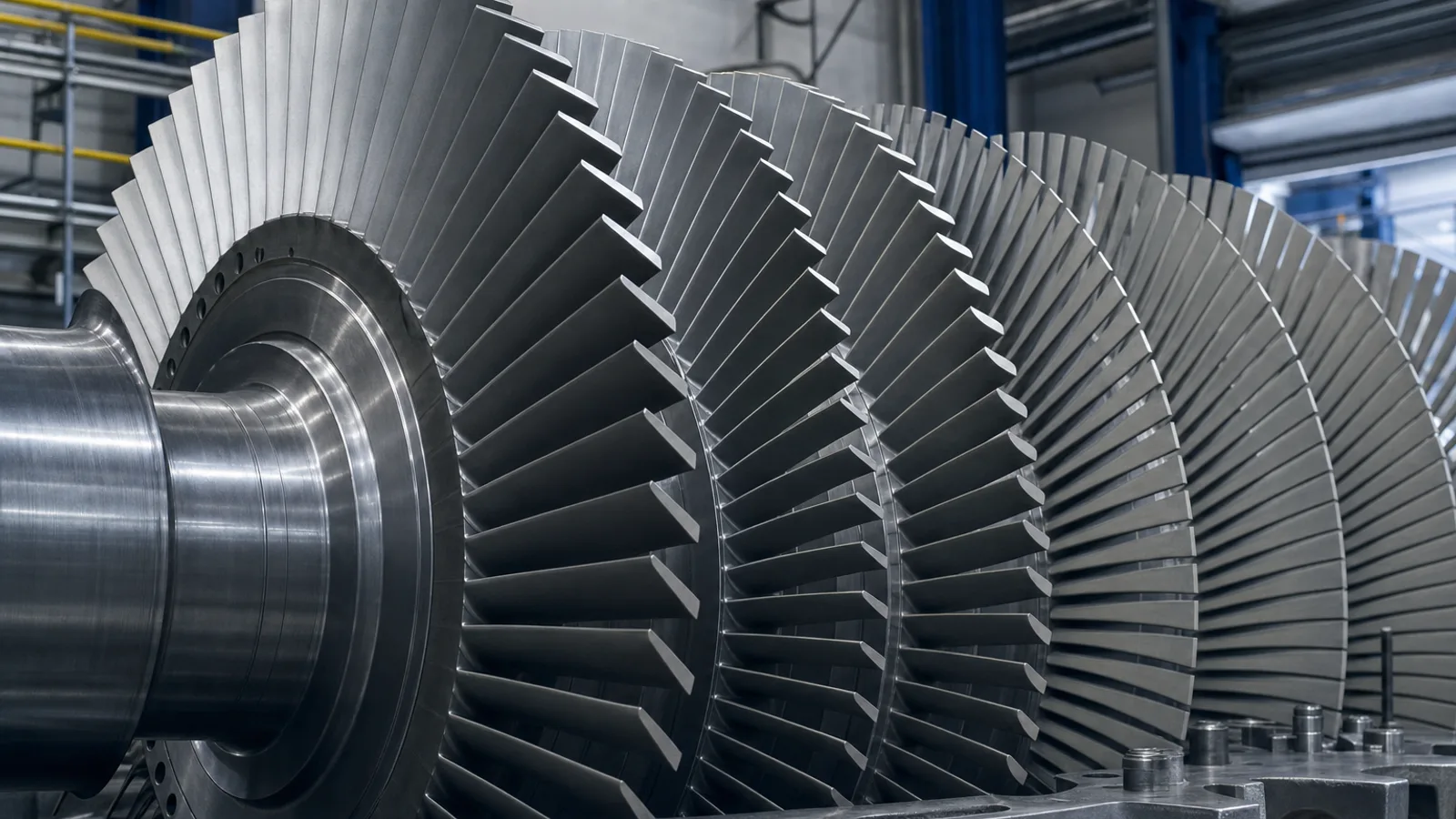
Steam turbines remain the most universal solution for Russian industry, especially for cogeneration. Gas turbines excel where natural gas supply is reliable and fast start-up matters. ORC units turn low-grade heat (80–150 °C) into electricity. Waste-heat recovery sets — usually steam — produce the cheapest electricity (LCOE 1.5–2.5 RUB/kWh) and pay back in 1.5–3 years.
Cogeneration changes the economics
If the plant has a stable steam load year-round, a back-pressure or extraction turbine almost always beats a condensing one. Because the steam has to be throttled down to process pressure anyway, the turbine extracts that pressure drop as electricity essentially “for free”. Total fuel utilisation rises from 32–38% (condensing) to 80–88% (cogeneration), and the LCOE on natural gas can drop to 2–3 RUB/kWh.
Capital cost is dominated by the machine, not the building
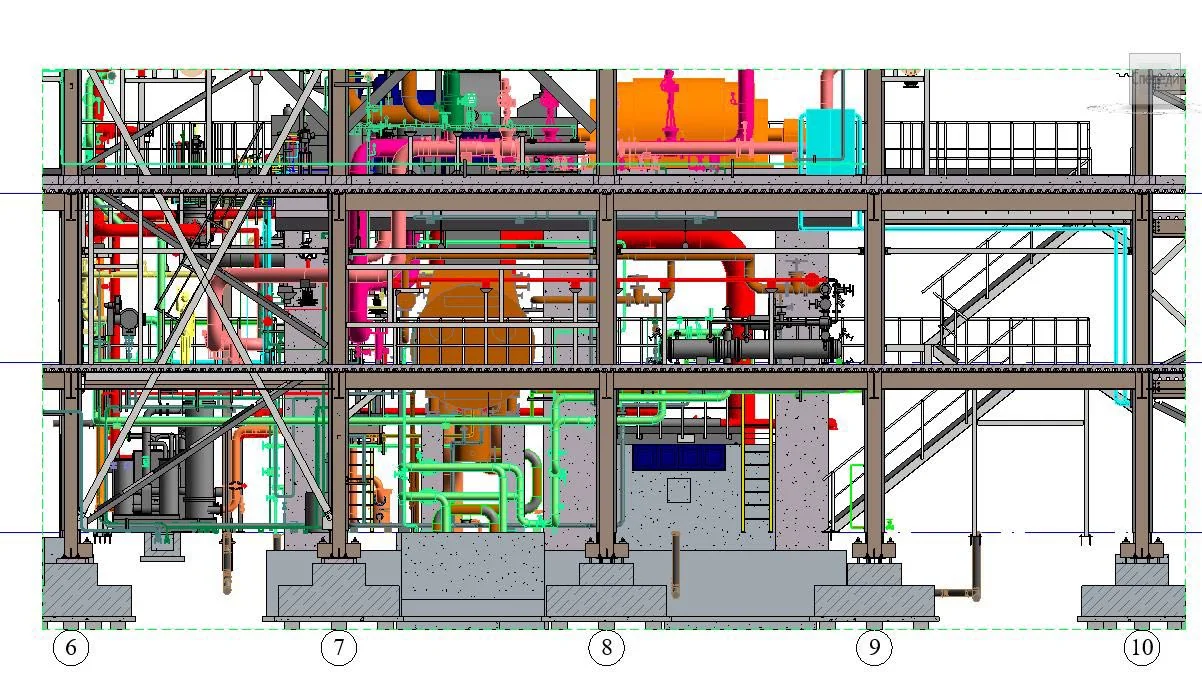
For a typical 8–12 MW industrial project the turbo-generator and its auxiliaries account for ~48% of CAPEX, civil works ~18%, grid connection ~12%, ICS ~7%, design documentation 6%, commissioning 4%, contingency 5%. Forgetting the grid connection line — which can easily reach 200–500 million RUB for 6–15 MW — is the second most common budgeting mistake.
Regulatory cliff at 25 MW
Above 25 MW of installed capacity, captive generation falls under wholesale market regulation, which constrains operations significantly. Many sites design 2×15 MW instead of 1×30 MW to stay on the retail market and keep operational flexibility. Below 25 MW, an enterprise qualifies as a “consumer with own generation” and may sell surplus electricity at the unregulated retail price minus the grid component.
Implementation roadmap
A well-managed project from kickoff to acceptance takes 12–18 months: 0–3 months for audit and feasibility, 3–6 months for permits and grid connection, 6–9 months for design (project and working documentation), 9–14 months for manufacturing in parallel with civil works, 14–18 months for installation and commissioning. Cutting corners on any of these stages typically backfires within the first 2–3 years of operation.
RFP checklist
A useful tender package answers eight questions: (1) operating mode and annual hours, (2) electrical load profile, (3) thermal load and steam parameters, (4) fuel type and properties, (5) grid connection conditions, (6) site conditions and seismic class, (7) scope of supply and options, (8) target CAPEX, payback horizon, warranty and service contract terms. With all eight filled in, vendors return technically meaningful proposals in 2–3 weeks; without, you get sales brochures.
Talk to our team: RUSTRADE turbogenerators, related steam turbines, engineering services, and case studies in references.