High-Pressure cylinder
Pressure up to 130 bar
Temperature up to 565 °C
Materials 15Х11МФ · 15Х12ВНМФ · 20Х13
Control stage and first rotor stages — chromium creep-resistant steels for superheated steam.
Manufacturing and supply of steam turbine blades for HP, IP and LP cylinders: rotor, guide, nozzle, locking and control-stage blades. Material selection by actual steam parameters, erosion protection of last stages, repair kits and serial batches.
This page focuses specifically on steam turbine blades — accounting for live steam pressure and temperature, wet steam zones in LP and droplet erosion of last-stage blades. It is not about gas turbines: the scope is steam, repair kits, batch replacement and OEM reproduction.
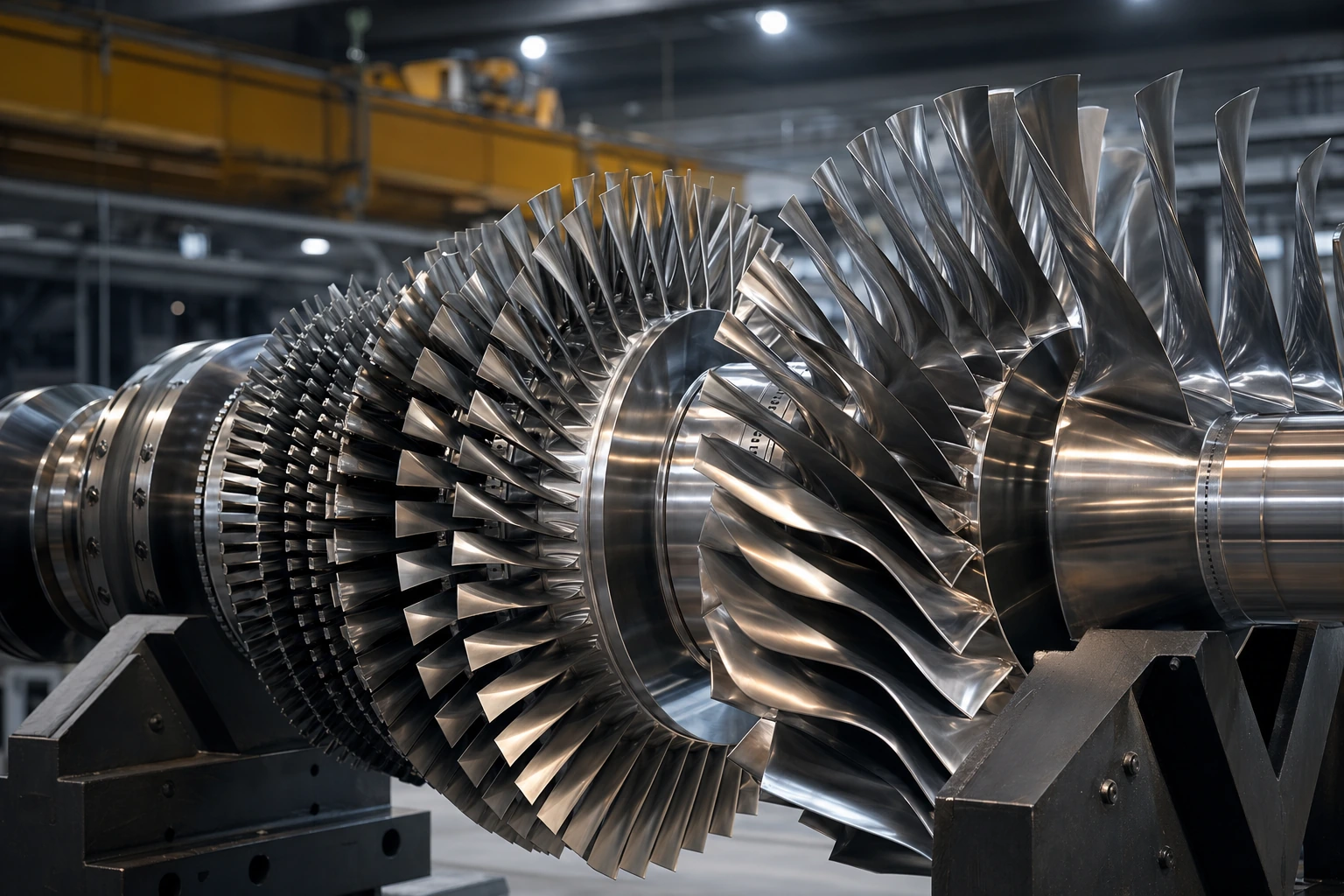
Steam turbine blades operate under conditions that are fundamentally different from gas turbines: high-pressure superheated steam, limited temperature (typically up to 540–565°C in HP), wet steam regions in LP, repeated start-stop loading and long maintenance intervals. As a result, materials, heat treatment and blade geometry follow specific rules that differ from gas turbine blading.
Typical request scenarios include worn or damaged rotor blade sets in HP/IP/LP stages, locking blades and pack fastening elements, diaphragm guide vanes, control-stage nozzle blades and last-stage LP blades with droplet erosion protection. Customers usually need a complete repair kit for the actual stage rather than single positions, with verified geometry and materials matched to real steam parameters.
To launch manufacturing we need source data: drawings or physical samples, blade type and stage number, steam parameters (pressure, temperature, dryness fraction), material, coating requirements, actual service life and operating mode. When documentation is incomplete, reverse engineering is performed: digitizing the airfoil, root and locking zones with reconstruction of critical dimensions.
Material selection follows stage and operating mode. HP and control stages — chromium steels 15Kh11MF, 15Kh12VNMF, 20Kh13. IP intermediate stages — austenitic alloys 09Kh14N19V2BR1, KhN35VT. Wet-steam LP path and last stages — 13Kh11N2V2MF with mandatory erosion protection: stellite pads, laser hardening of leading edges, plasma-sprayed coatings. This approach delivers predictable blade life under droplet erosion and frequent start-stop cycles.
Overview of all blade types and manufacturing capabilities — on the turbine blades . For complete flow-path repair, see also steam turbines in supply packages.
Blades are selected according to real steam parameters at the stage. Pressure, temperature and humidity change between zones — and so does the material.
Control stage and first rotor stages — chromium creep-resistant steels for superheated steam.
Intermediate stages downstream of reheat — austenitic alloys for stable creep resistance.
Long last-stage blades with erosion protection: stellite pads and laser-hardened edges.
For every stage — a specific set of steels and protective coatings. Selected by actual parameters, not by table defaults.
Creep-resistant steels for HP and the control stage. Stable operation on superheated steam up to 565°C.
For IP and intermediate stages — long service life under medium superheat temperatures.
Stellite pads on leading edges, laser hardening 0.5–1.2 mm, plasma and HVOF coatings.
The parameters that must be aligned with operations and maintenance teams before launching steam turbine blade production.
5-axis machining of airfoil, locking section and root, verified against 3D model and stage templates.
Material and heat treatment selection by actual stage duty — from superheated HP steam to wet LP path.
15Kh11MF, 20Kh13, 13Kh11N2V2MF steels, austenitic KhN35VT, stellite pads and laser-hardened edges.
Depends on drawing availability, reverse engineering scope, number of stages and coating requirements.
Typical operating facilities for which we supply repair kits and serial batches.
Condensing steam turbines of TPPs and CHPs
Extraction and back-pressure turbines at industrial process plants
Mechanical drive steam turbines for boiler feed pumps, ID/FD fans and compressors
Small and mid-size turbines (0.5 to 120 MW) at sugar, chemical and petrochemical plants
Siemens, GE, Skoda, Ekol, Howden, Alstom, Ansaldo, KTZ, LMZ, UTZ steam turbines
We can deliver a single position or a complete stage kit — below are the main categories we manufacture.
 01
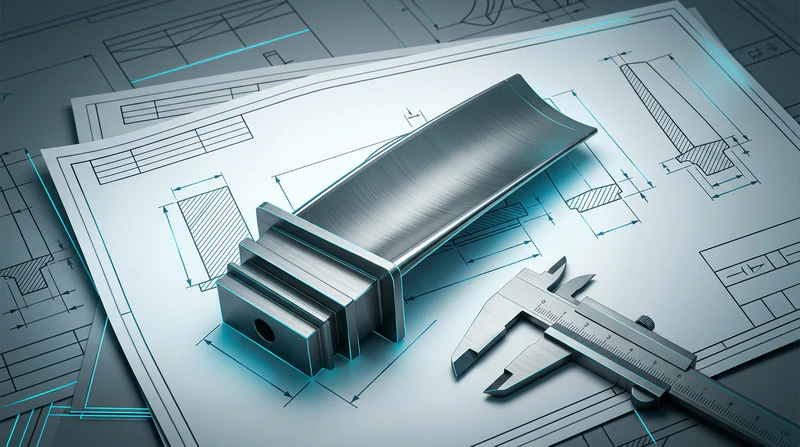
01 Rotor blades for high and intermediate pressure stages from chromium steels 15Kh11MF, 15Kh12VNMF for temperatures up to 540°C.
 02
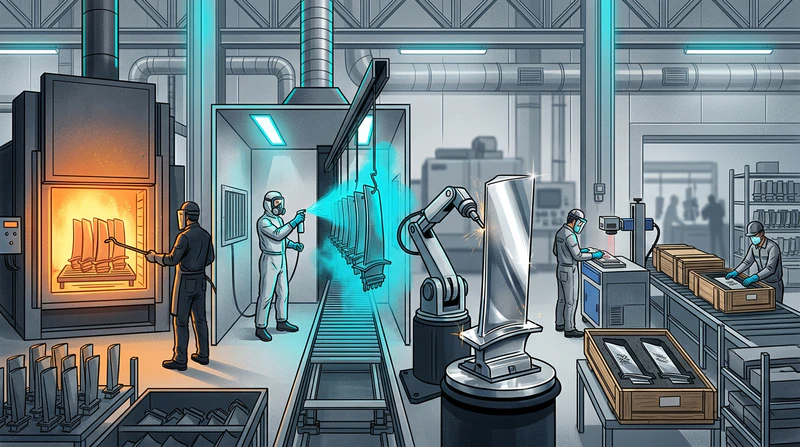
02 Long blades of the wet-steam path with erosion protection: stellite pads on leading edges, laser hardening.
 03
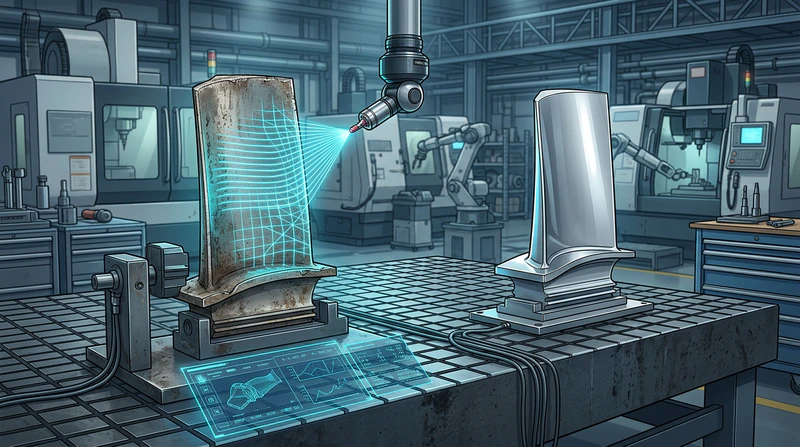
03 Control-stage nozzle blades and diaphragm guide vanes with control of pitch, angle and throat area.
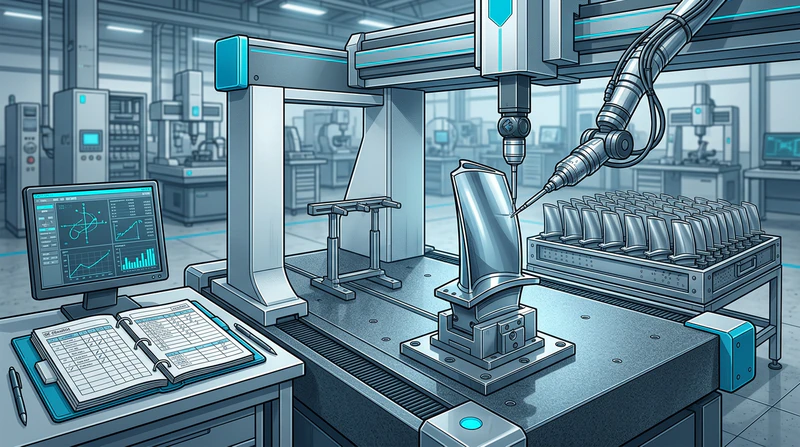 04
04 Locking blades, pack fastening elements, shrouds and lacing wires for a specific rotor and stage configuration.
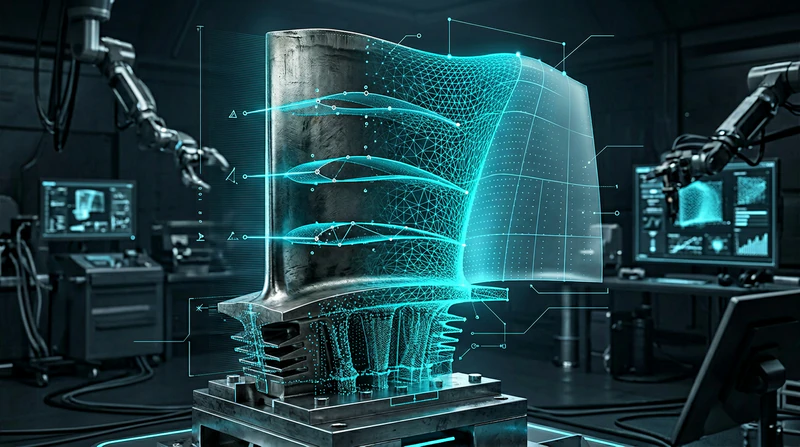 05
05 Digitizing of airfoil, root and locking zones, 3D model reconstruction and drawing preparation when no documentation is available.
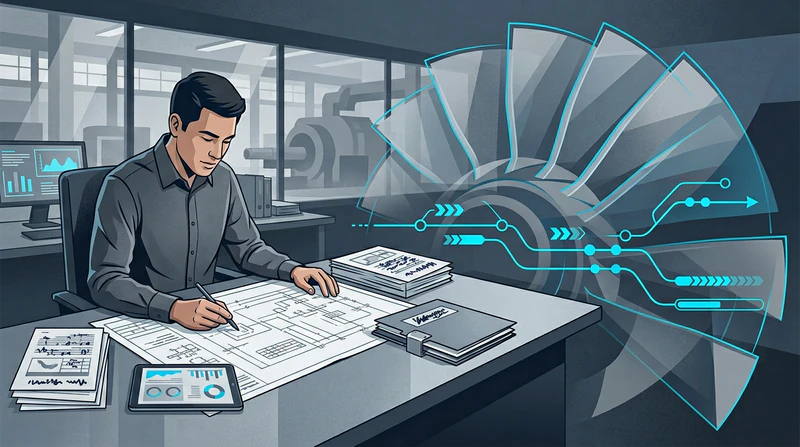 06
06 Material selection, acceptance criteria alignment, repair kit composition and supply documentation support.
A workflow from initial request to batch shipment, optimized for repair projects on operating turbines.
We capture turbine type, stage number, drawings or samples, steam parameters, actual wear and target repair window.
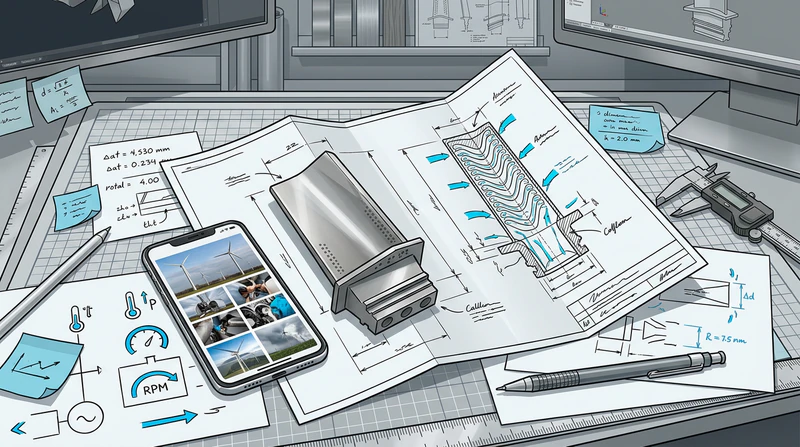
We define material by stage, reverse engineering scope, erosion protection needs and critical airfoil and root dimensions.
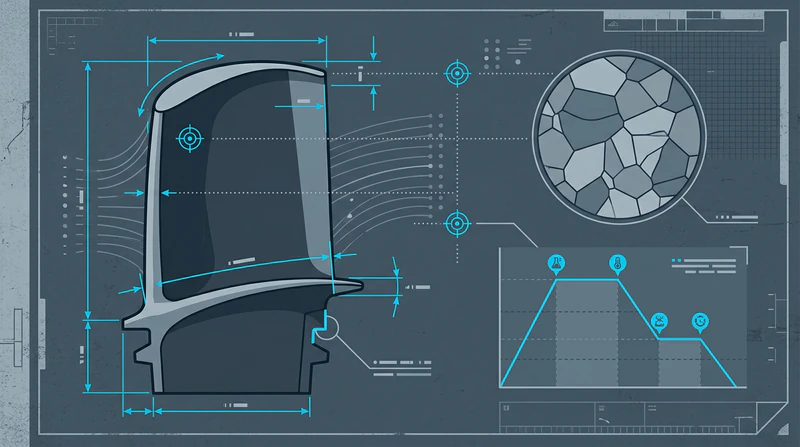
We issue a quotation covering batch volume, materials, coatings, lead time and acceptance documentation.
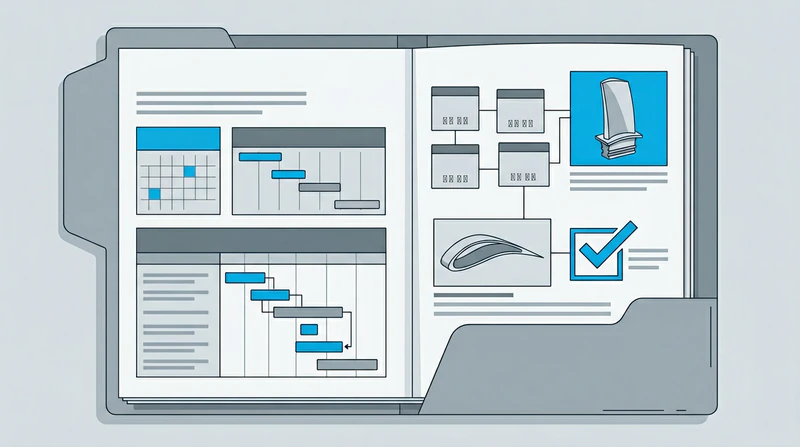
Casting or rolled stock, 5-axis machining, heat treatment, protective coatings and in-process inspection.
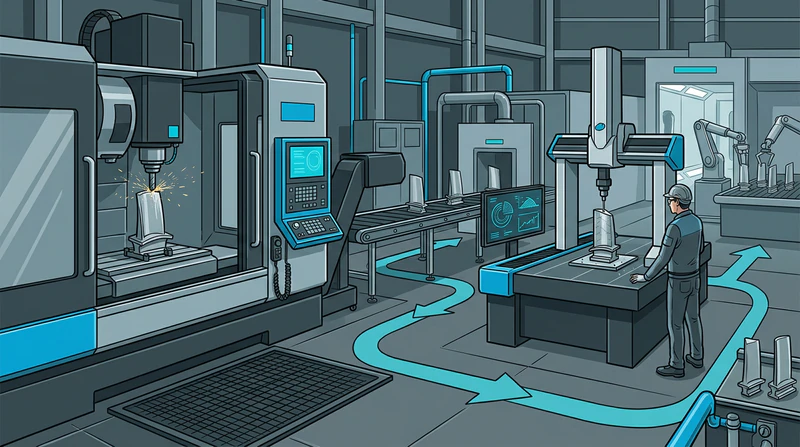
Stage-by-stage batch composition, passports, geometry reports and material certificates with installation support if required.
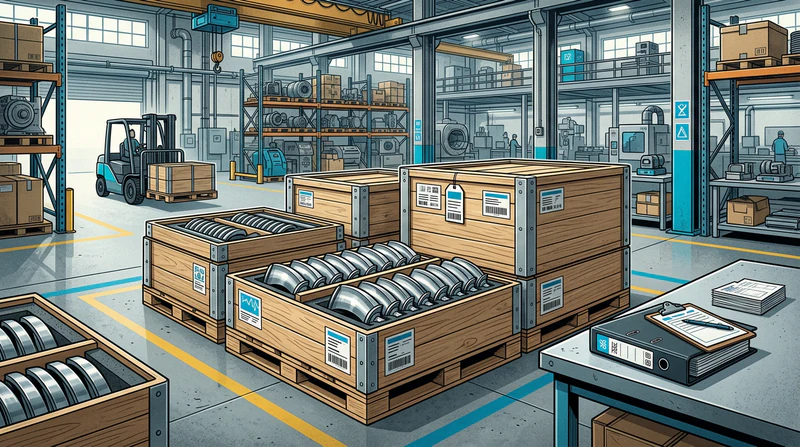
Industrial steam turbine sites where the company has supplied components and serviced the turbine train.
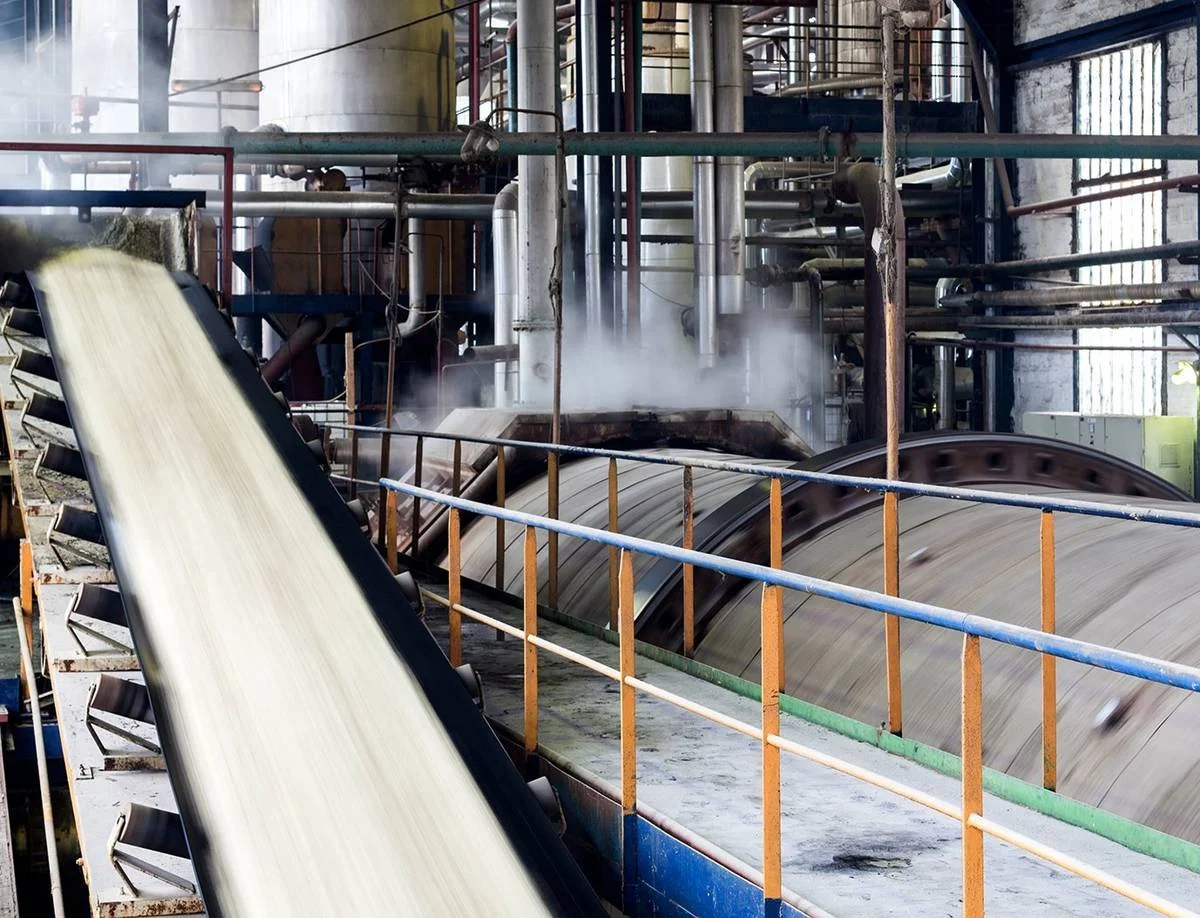
Replacement of an obsolete steam turbine with a full set of repair positions in the turbine train and commissioning support.
Open case →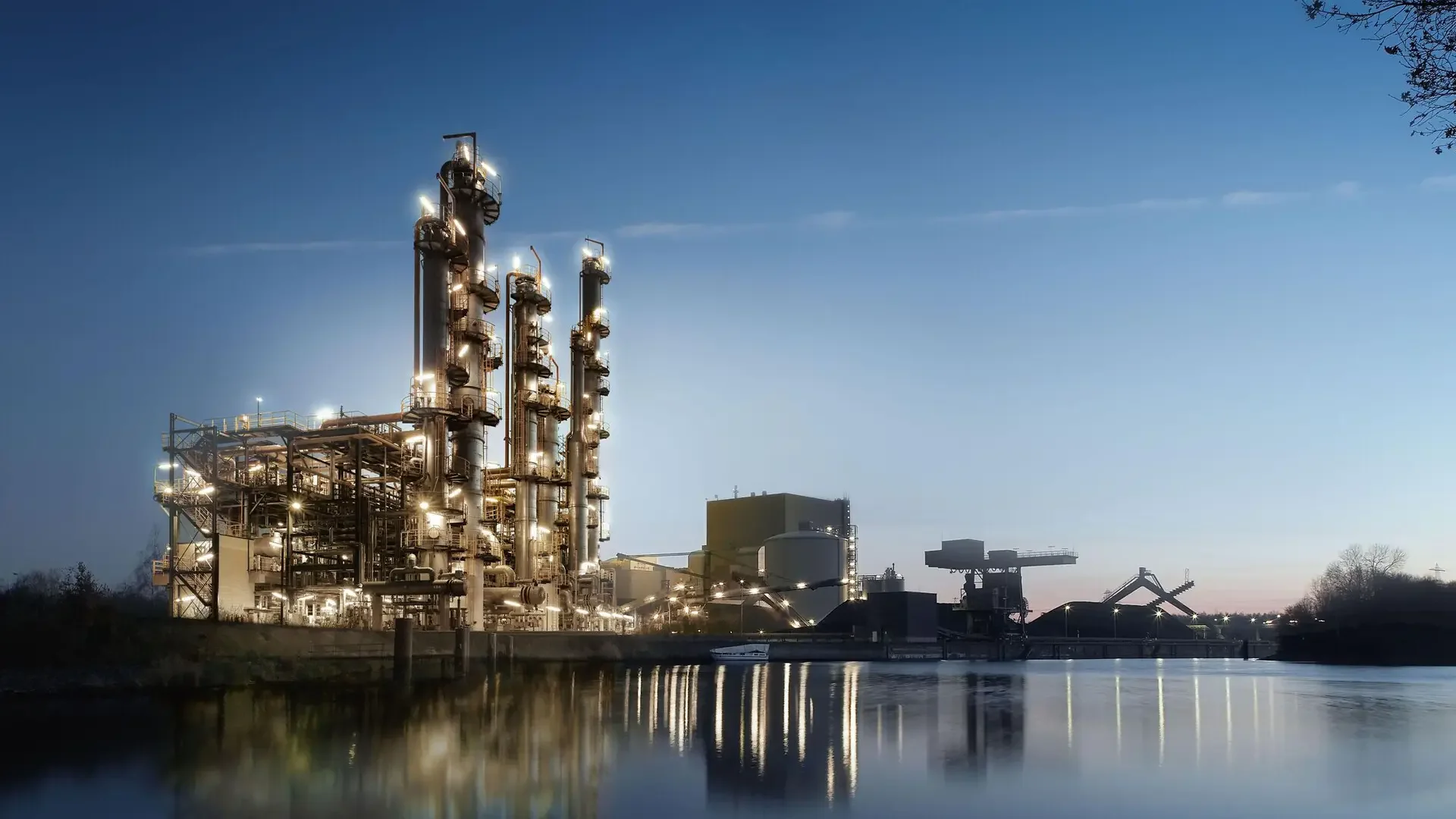
Supply of a 3.8 MW turbogenerator unit at a chemical facility with strict reliability requirements for the steam path.
Open case →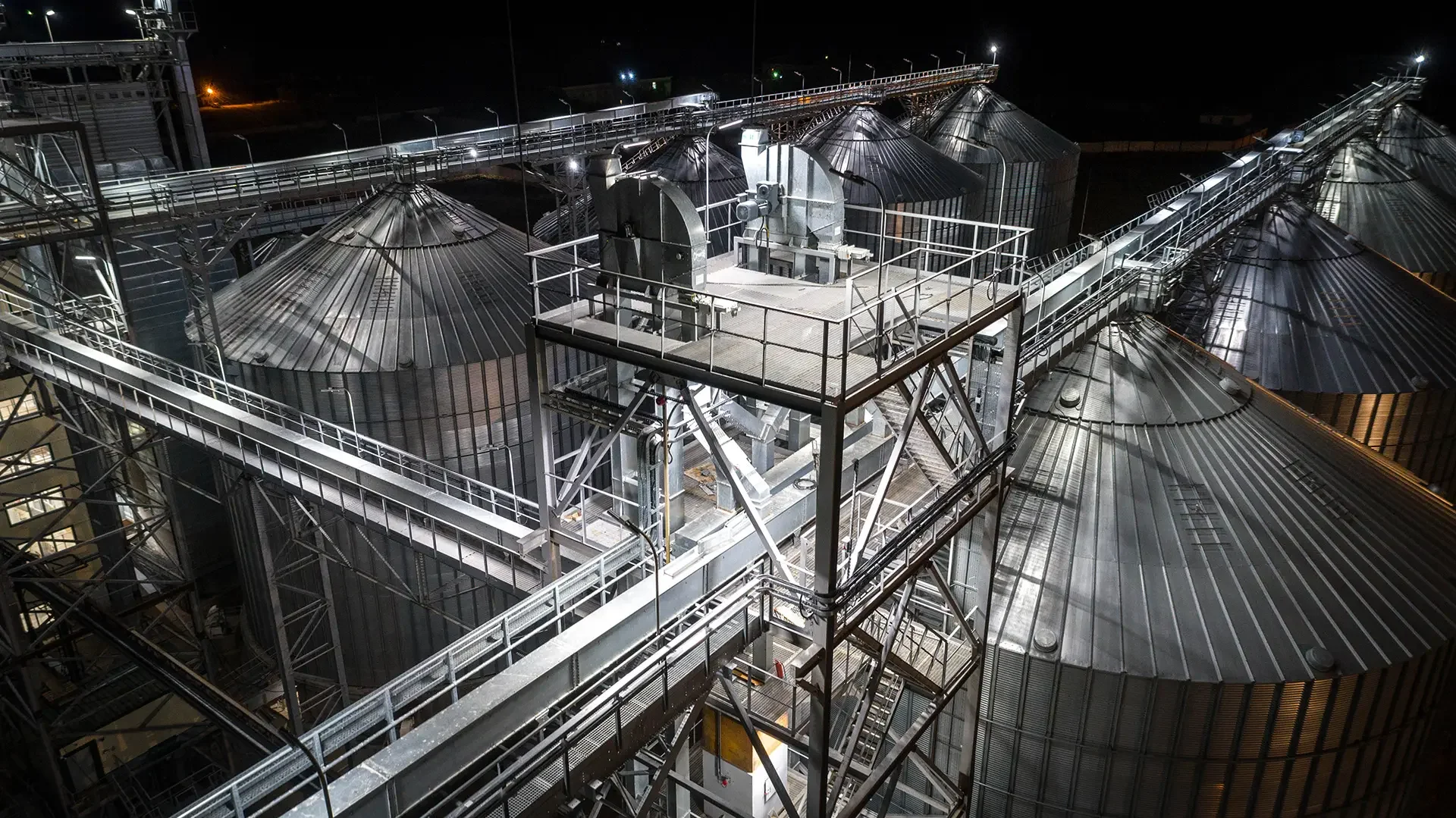
A 5 MW turbogenerator project with on-site steam generation and full service support of the steam turbine.
Open case →Related sections — the parent blades page, sister subpages and the equipment these spare parts are ordered for.
Parent section: services, materials, reverse engineering and overall manufacturing context.
Open →Sister subpage on the manufacturing process, geometry control and batch logic.
Open →Equipment section: condensing, drive and low-power steam turbines.
Open →Useful when documentation must be restored or a turbine survey is required first.
Open →For a precise lead time and price, send the stage parameters, material, actual dimensions or drawings and coating requirements. We will return with a quotation and technical comment on batch composition.










We've collected answers to the most common questions from our clients. If you haven't found an answer to your question — contact us.
Steam turbine blades operate at lower temperatures (typically up to 540–565°C) but at high pressure of superheated steam and pass through wet steam regions in the LP cylinder. Therefore the focus is on chromium and austenitic steels, leading-edge erosion protection and droplet erosion resistance — rather than nickel-based superalloys typical for gas turbines.
HP and control-stage blades — chromium steels 15Kh11MF, 15Kh12VNMF, 20Kh13. IP — austenitic 09Kh14N19V2BR1, KhN35VT. Last-stage LP in the wet-steam path — 13Kh11N2V2MF with mandatory erosion protection: stellite pads or laser-hardened leading edges.
Three main solutions are used: brazed stellite plates on the leading edge (classical OEM approach), laser hardening of the leading edge to a depth of 0.5–1.2 mm, plasma or HVOF sprayed wear-resistant coatings. The choice depends on the stage, blade length, steam moisture and target cost level.
As a minimum — turbine type, stage number, blade type and quantity. Preferably: drawing or physical sample, steam parameters (pressure, temperature, moisture), material and coating requirements, current service life and repair schedule. Without a drawing, reverse engineering is started from a sample.
A standard range is 4 to 12 weeks. Shorter terms are realistic for ready drawings and small positions. Longer terms appear when reverse engineering is required, complex coatings are applied, batch volume is large, or nickel alloys are used.
Wear and erosion reduce stage efficiency, unbalance the rotor, increase vibration and the risk of damage to adjacent blades and the diaphragm. In extreme cases — blade detachment and emergency shutdown with prolonged downtime. That is why worn sets are replaced as part of a planned overhaul, not deferred until failure.
Our specialists will help you find the optimal solution for your enterprise and calculate the economic effect
Answers to frequently asked questions about turbogenerator units, delivery times and cooperation terms
Go to FAQ
We undertake that the commercial information obtained during the preparation and implementation of the project is confidential and shall not be disclosed or transferred to third parties.
We undertake that the information obtained during the consultation is confidential and shall not be disclosed or transferred to third parties.
We undertake that the commercial information obtained during the preparation and implementation of the project is confidential and shall not be disclosed or transferred to third parties.
We guarantee the confidentiality of your data and will offer an optimal solution for your project in the shortest time.
We guarantee the confidentiality of your data and will offer an optimal solution for your project in the shortest time.
We undertake that the information obtained during the consultation is confidential and shall not be disclosed or transferred to third parties.
We guarantee the confidentiality of your data. Our specialists will help you find the optimal solution for your project.
We guarantee the confidentiality of your data and will offer an optimal solution for your project in the shortest time.
We guarantee the confidentiality of your data and will offer an optimal solution for your project in the shortest time.